
Literacy for every learner
Practical tools for teaching standards-based literacy to students with extensive support needs (ESN) alongside their classmates.
About this site
Literacy for Every Learner helps school teams plan reading instruction that gives students with extensive support needs real access to grade-level stories and standards. It brings together a planning tool, descriptions of effective instructional practices, standards-aligned goals, and resources for the whole team.
Who it is for: general and special education teachers, paraeducators, speech-language pathologists, teachers of students with visual or hearing impairments, other related service providers, and families.
About the author
[Author name] is [role and credentials]. [Add a short bio: background in special education, literacy or inclusion, and the dissertation research this site is based on.]
Why inclusive literacy?
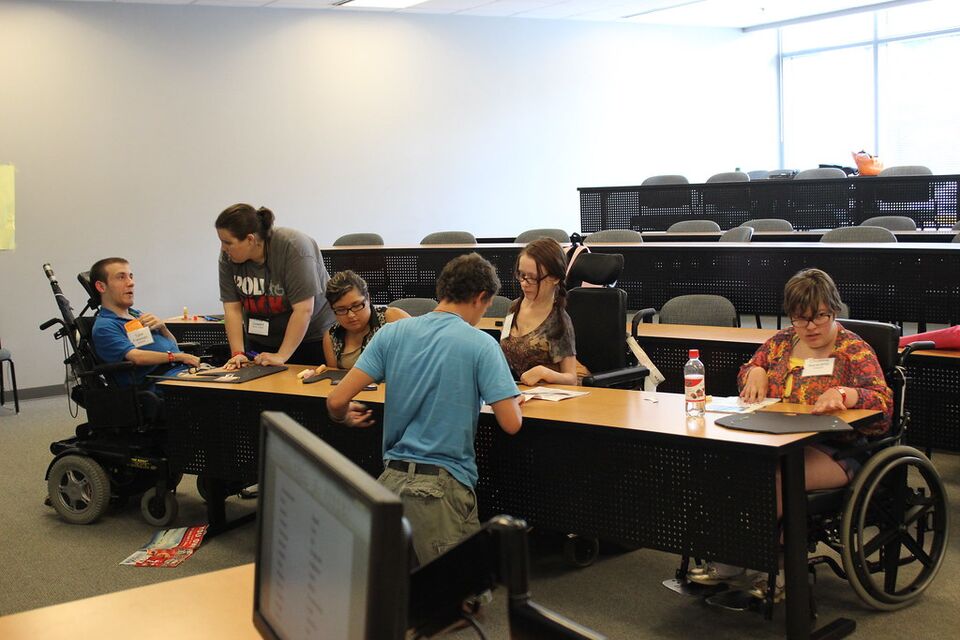
Every student can learn to engage with stories, answer questions and share ideas when instruction is designed for how they access information and communicate. Teaching literacy to students with ESN in general education classrooms, using grade-level standards, has benefits for the students, their classmates and the school community.
- Access to the same rich content. Students hear and work with the stories and texts their classmates are reading, rather than a separate, simplified curriculum.
- Higher expectations. Research on shared story reading and systematic instruction shows that students with ESN can learn grade-aligned comprehension skills when given the opportunity and the right supports.
- Communication growth. Daily reading gives students meaningful reasons to communicate, new vocabulary to learn, and partners who model language on their AAC systems.
- Belonging. Learning alongside peers builds relationships and lets classmates see each student as a reader and a member of the class.
- Benefits for everyone. Universal Design for Learning approaches such as read-alouds, visual supports and multiple ways to respond help many students, not only those with disabilities.
- It reflects the law. IDEA requires that students with disabilities have access to the general education curriculum and are educated with their peers to the maximum extent appropriate.
Explore the site
MAP planner
Combine a student’s access needs and communication modes with a literacy skill to get strategies, adaptations and assessment options.
Instructional strategies
Evidence-based and promising practices for teaching comprehension, with what each looks like in a lesson.
Literacy standards
How the targeted skills link Common Core standards and Essential Elements, with sample IEP goals.
Guide for paraeducators
Tips for supporting students during reading, plus links to free online trainings.
Resources and collaboration
Curated resources on inclusion, literacy, AAC and UDL, and tools for working well as a team.